
With advancing age, the number of diagnoses increases, and patients become polymorbid and frail.
Prevalence of polymorbidity and frailty in the population:
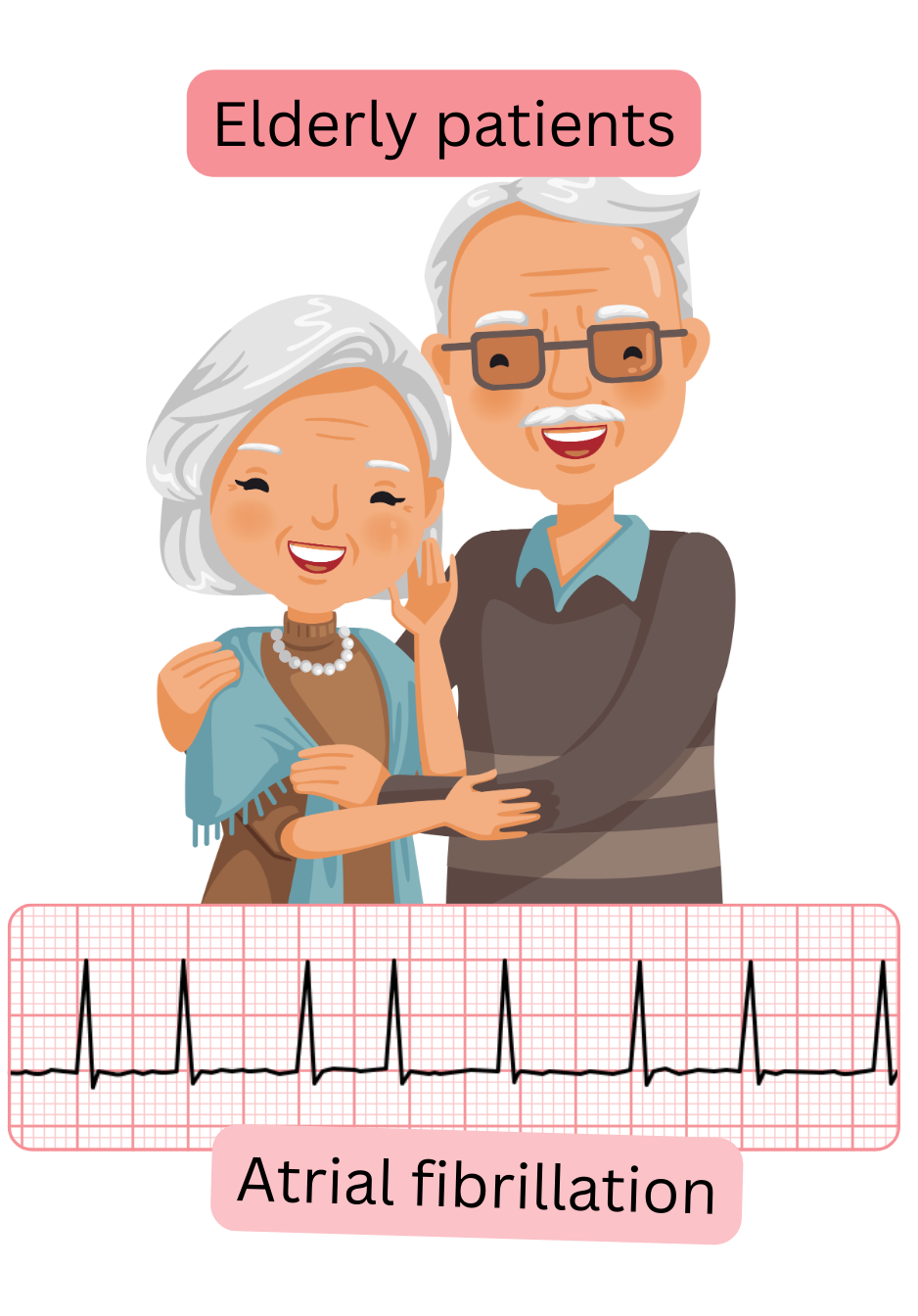
The prevalence of atrial fibrillation (AF) in polymorbid and frail patients is 50–75%.
Pharmacological therapy in elderly patients > 75 years is challenging because, due to cognitive dysfunction, patients may not take medications at the correct doses, resulting in the risk of overdosing or underdosing. In anticoagulation therapy for AF, this may lead to bleeding or thromboembolic events, most commonly stroke.
In patients with cognitive dysfunction, home therapy should be managed under the supervision of relatives or a caregiver.
| Elderly patients and atrial fibrillation | Class |
|---|---|
| In elderly patients (>65 years) with cognitive dysfunction, pharmacological therapy should be administered under the supervision of relatives or a caregiver. | I |
These guidelines are unofficial and do not represent formal guidelines issued by any professional cardiology society. They are intended for educational and informational purposes only.